Table Of Content
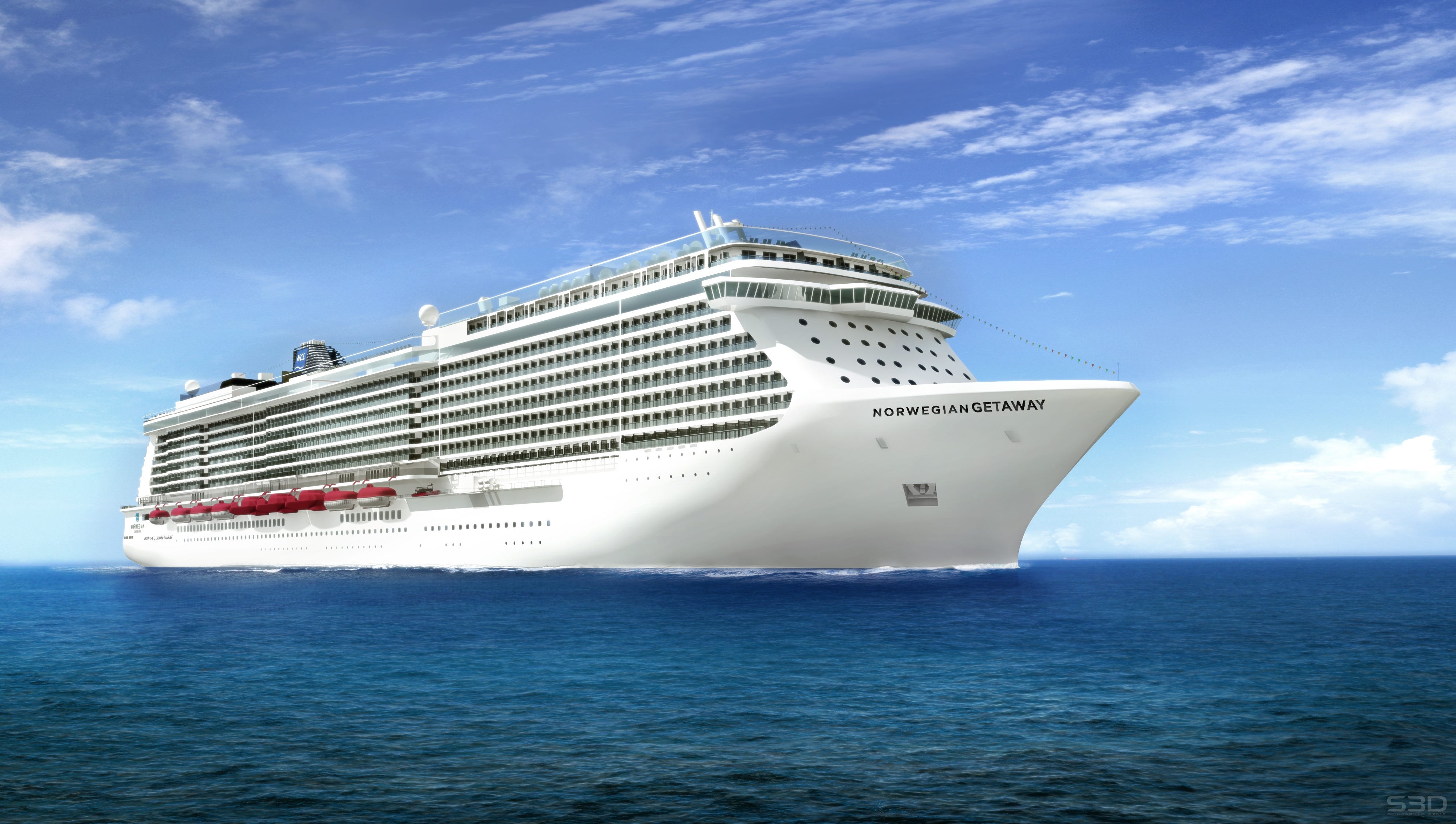
These cruises make money upfront by offering more access to ports and offering the serene luxury. Onboard, you will find general amenities, restaurants, bars, pubs, nightclubs, shopping, theaters, cinemas, swimming pools, gyms, karaokes, libraries, and even museums! These are great for big parties and are generally the biggest ships at sea. The answer to your ultimate question is, no, the water you are drinking is not toilet water. Regulated by the Maritime Organization laws, all “toilet water” must be treated and discharged into the ocean at a specific distance from the land. This water is never treated and recycled for passengers to use again.
Liquefied Natural Gas and New Fuel Technology
The electrical/electronic control of speed and direction (reversing), is quicker and smoother than conventional engines which largely rely on mechanical means for the same. Instead of this, the job of supplying electric power for the ship loads and for propelling the ship is carried out by the main generators. These generators allow for huge space saving and offers flexibility of location and arrangement. DE propulsion does away with the need for the installation of a huge centralized 2-stroke main engine and auxiliary engines as on cargo ships. When compared to traditional marine engines, in gas mode, the ship's engines produce 1/4 less COx, 2/3 less NOx, zero SOx and no soot particles. In April 2018, the Norwegian cruise and ferry company Hurtigruten announced a USD 150 million fleet renovation project.
Types of Engines Used in Cruise Ships
You may feel the engine’s vibration if your cabin is on the lower decks, near the aft. On most ships, the noise isn’t enough to cause any annoyance or trouble sleeping. The generators can operate critical navigation systems, emergency lights, and other vital equipment. While connected to a generator, the engines can run at their most efficient settings regardless of the travel speed. Whether the ship is sailing at 10 or 20 knots, the engines can operate a peak efficiency.
Gym Class Exercises Off-limits in Today’s Schools
In addition to propulsion, the power requirements for onboard facilities and amenities must also be taken into account. Cruise ships have a wide range of facilities, including restaurants, bars, entertainment venues, spas, and more. These facilities require electricity and other energy sources to operate smoothly.
Amenities range from gyms, spas, pools, and low-key entertainment. Generally targeting a niche group, most luxury cruise lines do not allow children. Premium lines are perfect for adults or those that are retiring. The brilliant catch is that many have policies of “no kids allowed,” making it an excellent selling point for adults who need some peace and quiet.

Ships' gas mileage varies depending on the type and size of ship, the number of passengers on board, and other factors. The 3rd Oasis-class ship - Harmony of the Seas, is currently the most technologically advanced and energy-efficient cruise vessel ever built. Both self-unloading dry bulk vessels were China-built (by Chengxi Shipyard Co Ltd / subsidiary of CSSC) and scheduled for deliveries in 2021. Big ships require much power, so they might have more than one emergency generator. So, how does fuel play a part in powering the engine and the cruise ship?
All-electric passenger ships
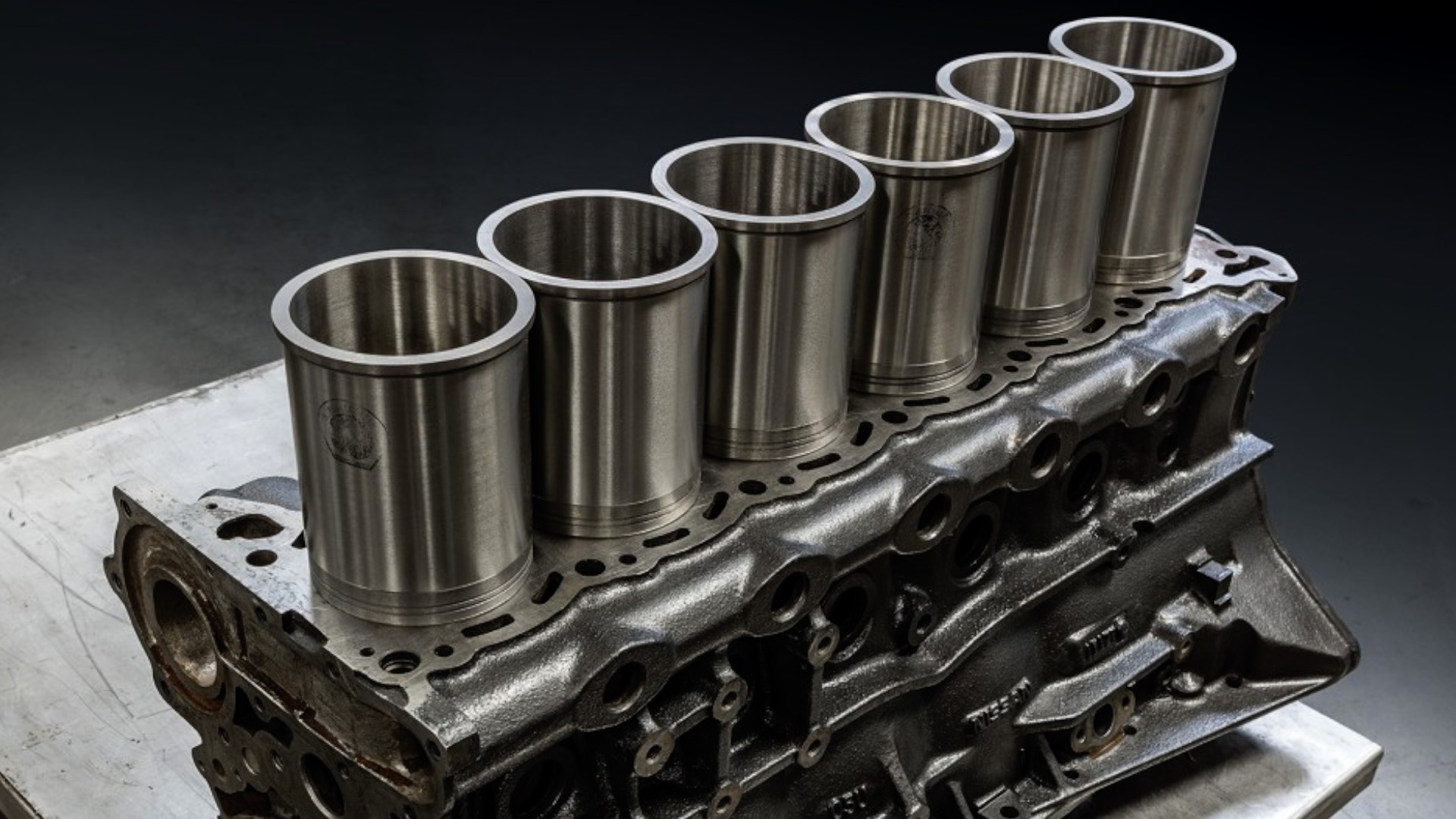
How much is dependent on the size of the ship, the speed it goes, and the distance it travels. The amount of fuel an average cruise ship goes through in a voyage is generally around 300 tons a day. Engines use diesel fuel, which, when ignited, drives the engine pistons up and down. The pistons are attached to a crankshaft, and the action of the pistons turns the crankshaft, which is attached to the propeller. The propeller moves the ship through the water at a gentle speed. Power cables from the HV switchboard connect to the PEM in a conventional DE propulsion system, which converts the electrical power to mechanical power.
It reduces noise and keeps the heat generated by a fully operating engine from coming out on adjacent decks. On a cruise ship, this is very important, where comfort is one of the cruise line’s top priorities. Modern cruise ships are equipped with systems to “plug in” to the local power grid. Even some older cruise ships are being retrofitted to allow for shore-to-ship power. But due to the size constraints, they can’t produce the same power as the main engines and cannot propel the ship.
LNG tanks are two (type C / vacuum insulated), each with capacity 200 m3 and weight 140 tons (LNG weight 85 tons per tank). ABB supplied the vessel's power and electric propulsion systems, as well as the Octopus (smart energy management system). While mechanical propulsion is optimized for a single-speed, electric propulsion is based on rotating speed control resulting in energy efficiency at all speeds.
This process, called bunkering, is a whole-team effort and is completed before the ship is ready to travel again. There are abundant space and a deluxe ship that will greet you as a valued guest from beginning to end for the high price. No doubt, one will fall for such an exquisite experience that starts from fine dining of caviar and foie gras to personal service available at one’s fingertips. On a side note, if you feel uncomfortable drinking this water, bottled water will most likely be available onboard for purchase. If you need special water for medical needs, you will most likely be able to bring a few bottles on board by notifying them ahead of time.
4 cruises canceled as Carnival Panorama experiences recurring engine issue - Long Beach Business Journal - Long Beach News
4 cruises canceled as Carnival Panorama experiences recurring engine issue.
Posted: Fri, 10 Nov 2023 08:00:00 GMT [source]
It has been used only since the late 2000s but is seeing promise as a more environmentally friendly method of powering cruise ships. Because the pistons are fired by a consistent flow of electricity rather than burning fuel, they move at the most efficient speed. Electricity is also used to pump cool seawater through the engines to cool them and prevent overheating. Of the three propulsion types presented here, diesel engines are the simplest technology.
The technical aspects are a vital part of a cruise ship, so it will be first visited. Not to state the obvious, but the ship’s heart is shaped by the crew and the engineers that have put many hours and dedication into making a cruise ship work. If you are an engineer curious about a ship’s mechanics, this is an article for you. Fortunately, if you’re just a curious traveler wondering how a cruise vessel will shape your next trip, this is also for you, so read on. There is so much to a cruise ship other than the cocktails and fun parks on top. Engine failure can occur, though, in the ship’s main engines, which are responsible for moving the ship.




No comments:
Post a Comment